
Server-First Performance and the Edge in 2026
Why more teams are defaulting to server rendering, edge caching, and streaming — and how that changes the way we design APIs and assets.
Nestlancer Editorial
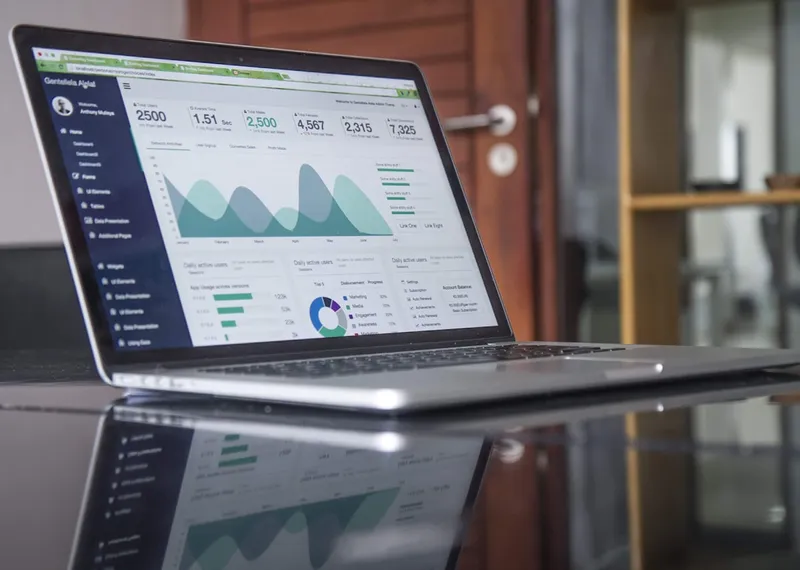
Client-heavy SPAs are no longer the automatic choice. Server-first rendering, edge caching, and selective hydration deliver better Core Web Vitals with less client-side complexity.
What "server-first" means
- HTML is rendered close to the user (regionally or at the edge)
- Personalization happens on the server with short-lived caches
- JavaScript is shipped only where interactivity is required
Impact on API design
Backend teams optimize for:
- Fast, cache-friendly list endpoints (ETags, short TTLs)
- Stable image URLs via CDN in front of object storage
- Minimal waterfall — aggregate related data at the gateway when it reduces round trips
Design systems meet performance
Design tokens, responsive layouts, and accessible components must be validated under real network conditions — not just on localhost.
Practical next steps
- Audit LCP and TTFB on your top landing pages
- Move static assets to a CDN with immutable cache keys
- Prefer streaming SSR for content-heavy routes like blogs and portfolios
Performance is a feature — and in 2026 it is inseparable from architecture.
Core Web Vitals targets
Marketing and content routes should budget:
- LCP under 2.5s on median mobile networks
- INP under 200ms on interactive pages
- CLS near zero by reserving space for images and fonts
Streaming SSR and partial hydration reduce JavaScript shipped to clients that only need to read content.
CDN and cache strategy
- Immutable hashed assets with long
max-age - Short TTL or stale-while-revalidate for semi-personalized HTML
- Image URLs stable enough for CDN caching across deploys
Collaboration with backend
Frontend performance is a joint concern: aggregate list data at the gateway, paginate aggressively, and avoid N+1 client waterfalls on dashboard routes.
Comments
Loading comments…
Related posts

Design
Brand Identity for Digital-First Products
Logo systems, voice, and visual language that survive app icons and social crops.

Design
Design Ops for Growing Product Teams
Rituals, tooling, and intake processes that keep design shipping with engineering.

Design
Inclusive Design Beyond Compliance Checklists
Cognitive accessibility, plain language, and trauma-informed patterns.

Design
Data Visualization UX for Dashboards
Chart selection, color semantics, and drill-down patterns for decision makers.